
Renters’ Rights Act: The new Emergency v Significant Hazard Rules Landlords Must Know
The Renters’ Rights Act represents one of the most substantial shifts in landlord obligations in years, and nowhere is this more evident than in how we must now manage property hazards. For landlords—particularly those operating HMOs—the distinction between emergency and significant hazards is no longer just guidance. It is a legal framework backed by strict timelines, stronger enforcement powers, and serious financial consequences if we get it wrong.
Why This Matters for Landlords
Misclassifying a hazard is now a fast track to enforcement. Treat an emergency like a routine repair, and you risk breaching statutory duty. Ignore a significant hazard, and you could face Improvement Notices, restrictions on re-letting, or loss of possession rights.
For landlords, especially HMO operators, understanding this hierarchy is essential. It allows us to prioritise repairs correctly, respond lawfully to tenant reports, and protect our businesses in a far more regulated environment. Under the Renters’ Rights Act, delay is no longer an option.
Emergency Hazards: Immediate Action Required
Emergency hazards are conditions that pose an imminent and serious risk to life or health. Under the Act, reinforced by the extension of Awaab’s Law to the private rented sector, landlords must take mitigating action within 24 hours. Councils can step in directly if we fail to respond.
Common emergency hazards include:
- Non-functioning fire alarms or detection systems
- Blocked or unsafe fire escape routes
- Gas leaks or carbon monoxide escape
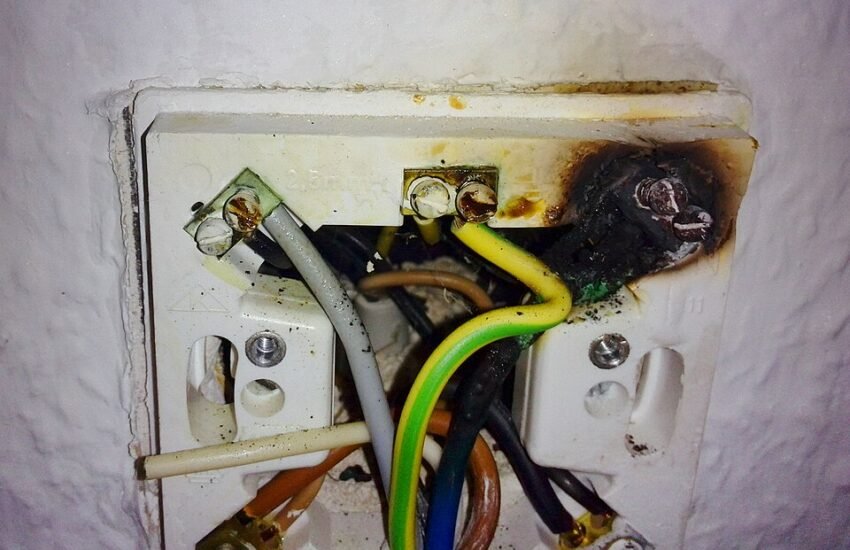
- Exposed live wiring or major electrical faults
- Structural instability affecting escape routes
- Severe water ingress compromising electrics or fire separation
- Inability to secure the property
Failure to act can lead to emergency remedial action, civil penalties, rent repayment orders, or prosecution.
Significant Hazards: Strict but Longer Timelines
Significant hazards—often equivalent to Category 1 hazards under HHSRS—do not pose an immediate threat but still represent unacceptable risk if left unresolved. These require:
- A written investigation within 7 days
- Completion of works within 14 days thereafter
Examples include:
- Non-compliant, infrequently inspected fire doors or
- Outdated or not routinely inspected alarm systems
- Poor fire-stopping or compartmentation
- Damp, mould, or inadequate ventilation
- Unsafe heating or cooking arrangements
- Structural disrepair or overcrowding
- Pest infestations
For soc media
Misclassifying a hazard is now a fast track to enforcement. Treat an emergency like a routine repair, and you risk breaching statutory duty. Ignore a significant hazard, and you could face Improvement Notices, restrictions on re-letting, or loss of possession rights.
Stay on the right side of the law and book a free discovery call about fire and electrical hazards or any other safety issue.
https://zcal.co/elcservices/discovery
