
Fire Safety Guide: Operational Steps for Service Managers
Introduction
Fire safety is one of the most important responsibilities for care home managers. Protecting residents, staff, and property while meeting regulatory requirements can feel overwhelming, especially in a busy care environment. Fire incidents can escalate quickly, and lapses in safety procedures can have serious consequences. This guide provides a practical fire safety checklist, highlighting key areas to inspect, maintain, and monitor. Each section includes actionable steps managers can implement immediately, helping to ensure residents are safe, staff are trained, and the home remains fully compliant with CQC and fire safety regulations.
- Fire Risk Assessment
The foundation of fire safety is a thorough risk assessment. Identify areas most susceptible to fire, including kitchens, electrical rooms, laundry areas, and storage spaces. Map compartment zones, ensuring escape routes are clearly marked and accessible. Review existing documentation, such as previous fire risk assessments, inspection reports, and maintenance records, to spot recurring hazards.
Actionable Steps:
- Conduct a full fire risk assessment at least annually.
- Update digital records and keep a paper backup for compliance.
- Engage a competent fire safety professional for complex buildings or older facilities.
A well-documented risk assessment highlights vulnerabilities and serves as a blueprint for ongoing fire safety management.
- Fire Doors & Compartmentation
Fire doors are essential for slowing fire and smoke spread between compartments. Regular checks are crucial to maintain integrity.
Checklist:
- Ensure all fire doors close fully and have functioning self-closers.
- Inspect doors for damage, warping, or missing intumescent seals.
- Avoid propping doors open; if necessary for resident mobility, use alarm-linked retainers.
Actionable Steps:
- Schedule weekly inspections of fire doors.
- Repair or replace any damaged doors or seals immediately.
- Keep a log of all door inspections and maintenance.
Maintaining fire doors protects residents and ensures compliance with regulatory requirements.
- Fire Alarm Systems
A fully functioning fire alarm system is critical for early warning.
Checklist:
- Test alarms weekly and document results.
- Confirm that audible and visual alerts reach all residents, including those with hearing impairments.
- Check backup power and batteries regularly.
Actionable Steps:
- Maintain a visible testing schedule for staff.
- Ensure staff know how to respond when alarms sound.
- Record all tests to demonstrate compliance during inspections.
Reliable alarms can save lives and are a core part of CQC safety inspections.
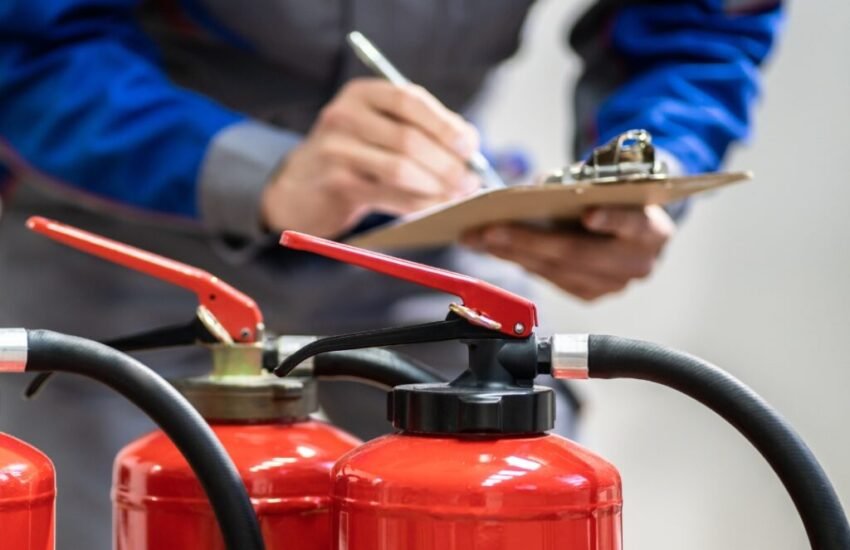
- Fire Extinguishers & Equipment
Proper fire-fighting equipment reduces risks in the early stages of a fire.
Checklist:
- Inspect extinguishers monthly for correct type, pressure, and accessibility.
- Replace AFFF extinguishers with compliant alternatives before regulatory deadlines.
- Staff should know which extinguisher type to use for different fire scenarios.
Actionable Steps:
- Display a map showing extinguisher locations for quick reference.
- Keep records of inspections and maintenance.
Ensuring staff familiarity with equipment improves response times and minimizes damage during incidents.
- Escape Routes & Signage
Clear escape routes and signage are vital during emergencies.
Checklist:
- Keep all exits unobstructed and doors operable without tools.
- Maintain illuminated exit signs and floor markings.
- Avoid clutter in corridors, lounges, and stairwells.
Actionable Steps:
- Perform daily corridor and exit checks.
- Log any obstructions or maintenance issues for immediate resolution.
Safe, well-marked escape routes reduce panic and ensure smooth evacuations.
- Resident Evacuation & PEEPs
Residents with mobility or cognitive challenges require Personal Emergency Evacuation Plans (PEEPs).
Checklist:
- Maintain up-to-date PEEPs for all residents.
- Assign staff responsibilities for evacuation assistance.
- Ensure staff are trained in using evacuation aids.
Actionable Steps:
- Conduct quarterly evacuation drills with staff and residents.
- Review and update PEEPs as resident needs change.
Proper planning ensures that everyone can evacuate safely in an emergency.
- Staff Training & Awareness
Staff knowledge is critical to effective fire safety.
Checklist:
- Provide fire safety induction for new staff.
- Conduct annual refresher training.
- Include fire door rules, alarm response, and evacuation procedures.
- Encourage staff to report hazards immediately.
Actionable Steps:
- Keep a digital training log with completion dates.
- Hold regular team briefings to reinforce key practices.
A well-informed team reduces the risk of errors and ensures swift, safe responses to fire incidents.
- Electrical & Other Fire Hazards
Electrical faults and combustible materials are common fire risks.
Checklist:
- Inspect electrical wiring, appliances, and heating equipment regularly.
- Avoid overloaded sockets and repair faulty appliances immediately.
- Store flammable materials safely, away from ignition sources.
Actionable Steps:
- Implement a monthly electrical safety check.
- Audit storage areas for fire risk and compliance.
Proactive monitoring of hazards reduces the likelihood of fire outbreaks.
Conclusion
Fire safety is essential for resident protection and regulatory compliance. By following this practical checklist, care managers can systematically cover all critical areas — from risk assessment and fire doors to training, evacuation, and documentation — ensuring a safer environment for residents, staff, and the business.
